In May 2025, parts of New South Wales were hit by intense, sustained rainfall that led to widespread flash flooding. Homes and businesses across the Mid North Coast, Northern Rivers, and Hunter regions were inundated. More than 500 mm of rain fell in some areas within just four days, causing rivers to break their banks and urban drainage systems to fail under pressure (ABC News, 2025). In Wingham, more than 700 mm of rain fell in May—more than double the town’s previous monthly record—damaging key infrastructure and cutting off access to safe drinking water (ABC News, 2025; ABC News, 2025).
The NSW State Emergency Service (SES) issued more than 140 flood warnings across the state. Over 9,500 homes were directly impacted, and thousands of residents were evacuated from flood-affected towns across the Mid North Coast (ABC News, 2025). The scale of the damage was worsened by saturated soil, overflowing stormwater systems, and a slow-moving rainband.
These events serve as a stark reminder that urban and suburban areas are not immune to flood damage. And while major infrastructure projects take time, practical solutions like rainwater tanks can help reduce pressure on council drains and protect properties during extreme weather.
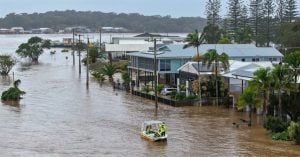
 Image Source: The Independent
Preparing for Heavy Rain and Flash Flooding is crucial, and so is having a Stormwater Management Plan on handNSW’s Wettest May in Years
The Bureau of Meteorology reported that New South Wales recorded an average of 55.2 mm of rain across the state in May—13% above the long-term average. Several locations, including Bellingen and Taree, saw their highest May daily rainfall on record (BOM, 2025). In places like Moparrabah and Bellingen, rainfall totals exceeded 300 mm across the month. (ABC News, 2025)
The SES responded to hundreds of callouts, while roads were cut off and critical infrastructure was damaged. With so much water falling in such a short time, urban drainage systems were overwhelmed. As a result, flash flooding surged through built-up areas, affecting not just homes but also commercial buildings and public facilities.
Why Rainwater Tanks Matter in Urban Flooding
Rainwater tanks are commonly thought of as a water-saving tool—but they’re also an effective part of an urban stormwater management plan. When used correctly, tanks can help reduce the volume and speed of runoff entering street drains and stormwater pipes during heavy rainfall.
Reducing Pressure on Council Drains
During flash flooding events like the one NSW experienced in May, water tanks can absorb a significant portion of rooftop runoff before it reaches the gutter. By slowing the flow and storing water temporarily, rainwater tanks reduce the chance of water pooling in streets, backing up through pipes, or entering properties.
This is especially helpful in urban areas with limited green space, where hard surfaces like driveways, footpaths, and roofs dominate the landscape. The more properties that use rainwater tanks NSW-wide, the less pressure there is on council-managed stormwater infrastructure during high-rainfall events.
Overflow Systems and Flood-Ready Design
Of course, tanks alone won’t hold back a month’s worth of rain in one afternoon. That’s where a good rainwater overflow system comes in. Properly installed tanks should include an overflow pipe that diverts excess water away from the base of the tank and into a safe dispersal zone or drain.
For properties in flood-prone areas, it’s also important to consider the tank’s location and stability. Flood-resilient water tanks should be installed on a secure, elevated base such as a concrete pad or compacted gravel. This helps prevent movement, erosion, or tipping during a surge. Under-deck tanks are a practical choice for urban homes and businesses with limited space—they’re discreet, protected from direct flood exposure, and make efficient use of unused areas. In some cases, underground tanks may also suit properties with strict design requirements or high flood exposure.
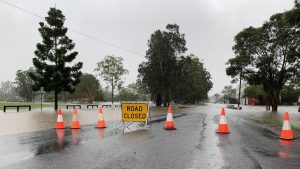
 Image Source: The Daily Telegraph
Rapid weather conditions cause concern across Australia’s Eastern statesTank Maintenance After Flooding
Flooding doesn’t just affect what’s outside a tank—it can compromise the tank system itself. After a heavy rain event, owners should inspect their tanks for signs of overflow erosion, pipe blockages, or structural damage.
Rainwater tank maintenance after flooding should include:
- Checking all inlet and overflow screens for debris
- Inspecting for cracks or tank movement
- Flushing any sediment from the first flush diverters
- Ensuring overflow water is not pooling around footings
Neglecting these steps can reduce the tank’s effectiveness during the next rainfall and may even lead to contamination if water is being used for non-potable purposes.
Tips for Installing Tanks in Flood-Prone Urban Areas
Planning a rainwater tank in a city or suburban environment takes a bit more consideration. Here are a few rainwater tank installation tips to help make your system flood-ready:
- Raise the tank base above anticipated flood levels to protect fittings.
- Use leaf guards and first flush diverters to keep sediment out of the tank.
- Secure downpipes and overflow fittings to avoid disconnection during high flow.
- Position tanks away from known pooling zones or low spots in the yard.
These simple changes can extend the life of your tank and ensure it performs well under pressure, even during repeat flood events.
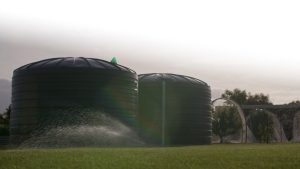
 Rainwater Tanks play a critical part in Stormwater Management Plans
Looking Ahead: Urban Stormwater Needs Smart Solutions
With NSW experiencing one of its wettest Mays on record—and communities still recovering from the devastation—many homeowners are reconsidering how their property handles water. Urban stormwater solutions like rainwater tanks offer a way to be part of the solution, helping ease the load on local infrastructure and reducing the risk of flash flooding at home.
At Bushman Tanks, we’ve seen firsthand how stormwater management tanks can make a real difference when they’re properly sized, installed, and maintained. Our range of rainwater tanks in NSW includes options suited to homes, businesses, and schools, with models designed to perform in flood-prone environments.
References
ABC News. (2025, May 24). How much rain fell in NSW and how did it lead to such devastating flooding? Retrieved from https://www.abc.net.au/news/2025-05-24/how-much-rain-in-nsw-and-how-did-it-lead-to-flooding/105314358
ABC News. (2025, June 4). Rainfall records smashed during Mid North Coast severe weather. Retrieved from https://www.abc.net.au/news/2025-06-04/rainfall-records-smashed-mid-north-coast-floods/105374418
ABC News. (2025, June 15). Wingham still relying on temporary water solution after Mid North Coast floods. Retrieved from https://www.abc.net.au/news/2025-06-15/new-pipeline-project-for-wingham-after-water-cut-off-in-floods/105403610
ABC News. (2025, May 22). NSW flooding: Coast battered by rain as evacuations ordered, flood rescues underway. Retrieved from https://www.abc.net.au/news/2025-05-22/nsw-flooding-coast-rain-evacuations/105321974
Bureau of Meteorology. (2025, May). New South Wales monthly climate summary – May 2025. Retrieved from http://www.bom.gov.au/climate/current/month/nsw/summary.shtml