A residential water tank provides a reliable backup water source by capturing rainfall from your roof and storing it for later use. Whether it is supporting everyday household needs, reducing reliance on mains water, or providing extra resilience during dry periods, rainwater tanks help households become more water independent.
Australia’s climate is known for variable rainfall, extended dry periods, drought conditions, and increasing pressure on water supplies. For many Australian households, improving water security means finding practical ways to store, manage, and use water more efficiently.
What is household water security?
Household water security means having reliable access to enough water for essential needs, even when water availability is affected by drought, restrictions, supply interruptions, or extreme weather.
A secure household water supply is not only about having enough water today — it is about being prepared for changing conditions in the future.
Residential water tanks improve household water security by:
- Capturing and storing rainfall when it is available
- Reducing dependence on town water supplies
- Providing an alternative water source during interruptions
- Supporting water conservation during dry periods
How do residential water tanks improve water security?
1. Rainwater tanks store water for dry periods


One of the biggest advantages of a residential rainwater tank is the ability to capture rainfall when it occurs and save it for when it is needed.
Australia experiences irregular rainfall patterns, meaning a large amount of rain can fall during short periods followed by long dry spells. Without storage, much of this rainfall runs away as stormwater.
A rainwater tank collects water from your roof catchment area and stores it for future household use, helping bridge the gap between wet and dry seasons.
Bushmans offers a wide range of residential rainwater tanks designed for Australian conditions, available in different sizes to suit homes, gardens, and properties.
2. Tanks provide backup during water supply interruptions
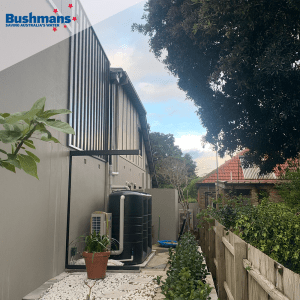
Unexpected water supply disruptions can happen due to infrastructure repairs, burst pipes, maintenance works, or local emergencies.
Having stored rainwater means households can continue accessing water for important non-potable uses such as:
- Toilet flushing
- Laundry
- Garden watering
- Outdoor cleaning
For homes using suitable treatment systems, stored rainwater can also support additional household uses.
A properly designed rainwater harvesting system gives homeowners an extra layer of protection when mains water is temporarily unavailable.
3. Rainwater tanks reduce pressure on mains water supplies
During hot Australian summers, demand on public water networks can increase significantly as households use more water for gardens, pools, and outdoor areas.
Using harvested rainwater for everyday activities reduces reliance on treated mains water and helps conserve community water supplies.
Even replacing a portion of household water use with rainwater can make a meaningful difference over time.
4. They help households adapt to Australia’s changing climate
Climate conditions across Australia vary greatly between regions, but many areas experience:
- Longer dry seasons
- Reduced rainfall reliability
- Increased demand during extreme weather
Rainwater tanks help households make better use of available rainfall instead of relying entirely on external supply.
The right tank size depends on factors such as:
- Local rainfall patterns
- Roof catchment area
- Household water demand
- Available installation space
Bushmans provides a range of tank capacities to help homeowners choose a solution suited to their property.
Find the right rainwater tank size for your home with the Bushmans water tank calculator.
5. Tanks support emergency preparedness

In some Australian regions, especially bushfire-prone areas, water storage is an important part of property preparedness.
A rainwater tank may provide an additional water source for emergency situations when correctly installed and maintained.
It is important to note that requirements vary depending on location and regulations. Homeowners should check local guidelines when considering tanks for emergency purposes.
6. Rainwater tanks make better use of stormwater
When rainfall is not captured, water from roofs and hard surfaces can contribute to stormwater runoff.
Rainwater harvesting helps:
- Capture water before it leaves your property
- Reduce runoff volumes
- Make better use of natural rainfall
Instead of letting valuable rainwater flow away, tanks allow households to store and use it when required.
7. They can help reduce household water bill costs
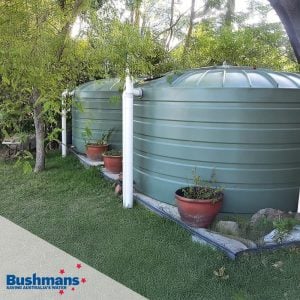
Using rainwater instead of mains water for suitable applications can reduce household water consumption.
Common uses include:
- Garden irrigation
- Laundry
- Toilet flushing
- Outdoor cleaning
The savings depend on household usage, rainfall, tank size, and local water pricing, but reducing mains water demand can provide long-term benefits.
Are rainwater tanks enough to make a home water secure?
A rainwater tank improves household water security, but it is not a complete solution on its own.
The performance of a tank depends on:
A larger tank stores more water, but the ideal capacity depends on how much water your household needs.
Areas with lower or seasonal rainfall may require larger storage capacity to maintain supply.
Household demand
A home using water-efficient appliances and fixtures will generally extend stored water further.
Regular cleaning and system checks help maintain water quality and tank performance.
Choosing the right residential water tank
Selecting the right rainwater tank involves balancing storage needs, available space, rainfall, and intended use.
Bushmans residential tanks are manufactured in Australia using durable polyethylene designed for Australian environmental conditions.
Whether you need a compact tank for a suburban home or a larger storage solution for a rural property, choosing the right tank helps maximise your household’s water security.
Frequently Asked Questions
How does a rainwater tank improve water security?
A rainwater tank improves water security by storing rainfall for future use, reducing reliance on mains water, and providing an alternative supply during dry periods or interruptions.
Can a rainwater tank run out of water?
Yes. Tank performance depends on rainfall, tank capacity, roof catchment size, and household usage. Choosing the correct tank size helps reduce the risk of running low.
What can household rainwater tanks be used for?
Rainwater tanks are commonly used for gardens, toilets, laundry, outdoor cleaning, and other household applications. Additional treatment may be required for drinking water use.
Are rainwater tanks worth it in Australia?
For many Australian households, rainwater tanks provide greater water independence, help conserve mains supplies, and improve resilience during changing weather conditions.
Improve your household water security with Bushmans
A rainwater tank is a practical investment that helps Australian households capture rainfall, reduce water waste, and prepare for a more variable climate.
With a wide range of residential water tanks available, Bushmans can help you find a water storage solution designed for your home and lifestyle.
Explore Bushmans Water Tanks