Understanding the Role of AdBlue® in Diesel Engines
AdBlue is a crucial component in modern diesel engines, particularly for vehicles that meet the Euro 6 emission standards. It is a solution made from urea and deionized water, which helps reduce the harmful emissions produced by diesel engines. When injected into the exhaust system, AdBlue converts nitrogen oxide (NOx) emissions into harmless nitrogen and water vapor through a process called selective catalytic reduction (SCR).
The use of AdBlue is essential for complying with stringent environmental regulations aimed at reducing air pollution. It enables engine designs that are more fuel-efficient, as emissions are managed through the SCR system. Understanding its role can help drivers and fleet managers appreciate the importance of maintaining their AdBlue tanks.
How AdBlue® Tanks Work: A Comprehensive Guide
AdBlue tanks are specifically designed to store the AdBlue solution safely on board diesel vehicles. These tanks are usually made from high-quality plastic materials that are resistant to corrosion and the chemical properties of AdBlue. The tank is equipped with sensors that monitor the level of AdBlue and alert the driver when it needs to be refilled.
The AdBlue solution is injected into the exhaust system via a dosing control unit, which ensures the right amount of AdBlue is used based on the engine’s operating conditions. This precise control is crucial for the effectiveness of the SCR system. The process is automated, requiring minimal intervention from the driver, other than keeping the AdBlue tank filled.
Maintenance and Refill: Keeping Your AdBlue® Tank in Top Shape
Maintaining your AdBlue tank is relatively straightforward but essential for the smooth operation of your vehicle’s emission control system. Regularly check the AdBlue levels and refill the tank when necessary. Most vehicles have a dashboard indicator that alerts you when the AdBlue level is low.
It is also important to use only high-quality AdBlue from reputable suppliers to avoid contamination. Contaminated AdBlue can damage the SCR system and lead to costly repairs. Additionally, ensure that the tank is kept clean and free from debris to maintain the integrity of the AdBlue solution.
Common Issues and Troubleshooting AdBlue® Tanks
Despite the robustness of AdBlue tanks, some common issues can arise. One of the most frequent problems is the crystallization of AdBlue, which can clog the dosing system and injectors. This typically happens when the AdBlue solution is exposed to air for extended periods or stored improperly.
- Preventing AdBlue® Crystallization
- Always ensure the tank is properly sealed after refilling to limit air exposure.
- Store AdBlue in a cool, shaded area and use only approved containers to minimise the risk of contamination.
- Regularly inspect the dosing system and injectors for any buildup, and clean components as recommended by your vehicle or equipment manufacturer.
Another issue is the freezing of AdBlue at low temperatures, as it has a freezing point of -11°C. Most modern AdBlue tanks are equipped with heating elements to prevent freezing, but it is still something to be aware of, especially in colder climates. Regular maintenance and prompt attention to any warning indicators can help mitigate these issues.
- Managing AdBlue® Freezing
- If you operate in colder climates, consider investing in a tank with integrated heating elements to prevent freezing.
- Park vehicles or equipment in sheltered areas during extreme cold where possible.
- Check that all tank heating systems are operational before the onset of winter.
When in Doubt, Ask the Experts
Here at Bushmans, we have a dedicated team specialising in AdBlue tanks. Before making any decisions or addressing unusual issues, we strongly recommend you speak with our experts. They’re ready to help with tailored advice, reach out to the Bushmans team on 1800 008 888.
Bulk AdBlue® Storage Tanks: Built for Efficiency and Protection
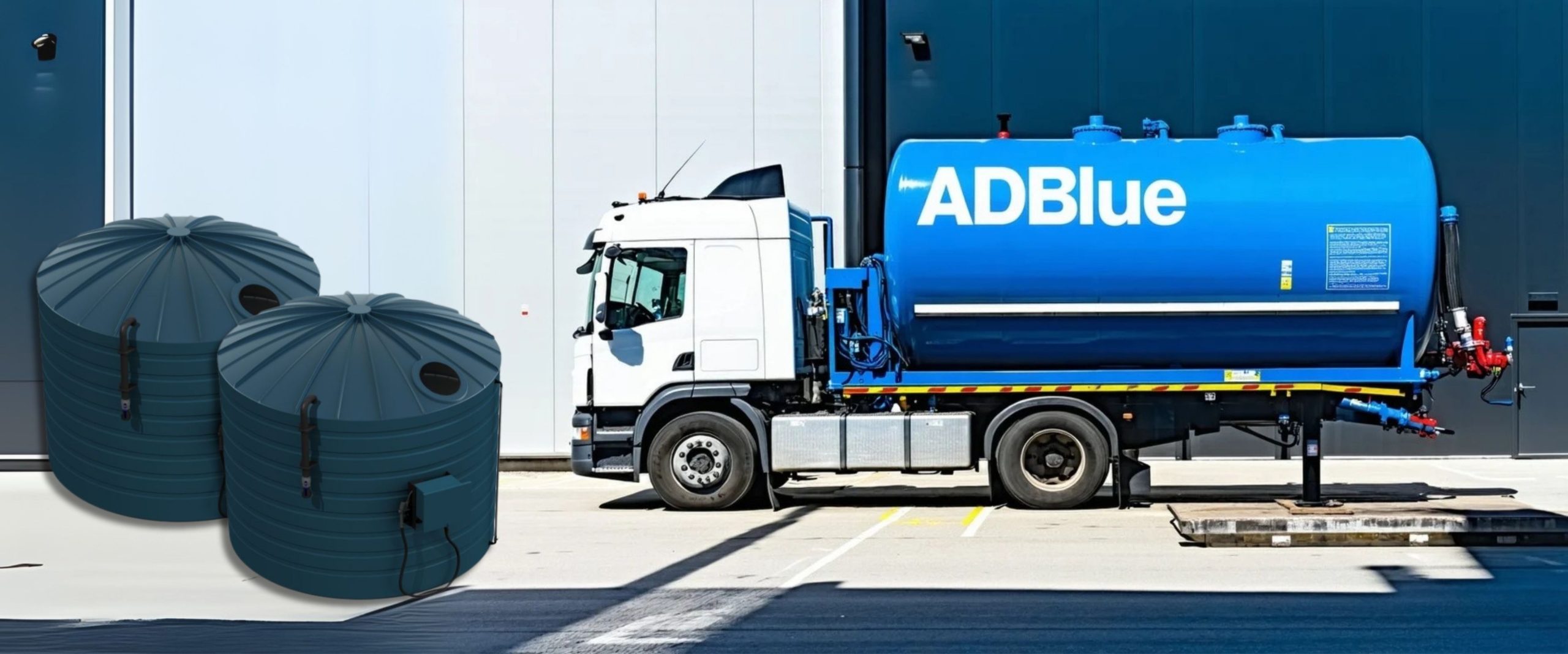
When you’re managing a farm, transport fleet, or industrial site, you don’t have time to deal with constant top-ups or drum handling. That’s where Bushmans’ bulk AdBlue® storage tanks come in. Designed specifically for operations that rely on diesel machinery, these tanks provide a safe, reliable, and cost-effective way to store AdBlue® on-site, ensuring you’re always ready to meet emissions requirements without disruption.
Our AdBlue tanks are engineered from premium, AdBlue®-compatible materials that resist corrosion and contamination, even in Australia’s harshest climates. Whether you’re topping up a fleet of trucks or fuelling equipment in the field, you can count on Bushmans tanks for durability and long-term performance.
Available in a range of sizes, our tanks can be fitted with level indicators, integrated dispensing units, and optional heating systems to prevent freezing in colder regions. It’s not just storage – it’s smart, scalable infrastructure for any operation serious about staying compliant and efficient.
Explore the full range and find the right tank for your site today: https://www.bushmantanks.com.au/product-category/adblue-tanks/

Future Trends: The Evolution of AdBlue® Technology
The demand for AdBlue and SCR technology is expected to grow as emission regulations become more stringent worldwide. Future trends include advancements in AdBlue formulation to improve its efficiency and reduce the frequency of refills. Innovations in tank design, such as integrating more advanced sensors and heating elements, are also on the horizon.
Furthermore, the development of alternative solutions to reduce emissions, such as hydrogen-based systems, may complement or even replace AdBlue in the long term. However, for the foreseeable future, AdBlue remains a vital component in the fight against air pollution from diesel engines.